

The short answer: Stop giving away the "Orphan Hour" (the gap between cleaning completion and check-in) for free. By automating early check-in offers through a digital guest portal, you can secure an additional $500/month per door in ancillary revenue while eliminating the operational chaos of manual coordination.
The Hidden Cost of "Just Dropping Bags"
Every time a guest messages asking to check in early or drop off luggage, you face a choice. If you say yes without charging, you are training your customer base to devalue your product. If you say no, you risk a bad review. This binary trap is a primary source of revenue leakage in short-term rental operations.
In 2026, the era of casual favors is over. With average daily rates (ADR) stabilizing across major markets, profitability now depends on share-of-wallet expansion. Industry forecasts for 2026 indicate that 35% of net operating income growth for professional managers will stem exclusively from ancillary revenue streams rather than base rental rates.
When you manually approve an early arrival, you aren't just losing the $50 upsell fee. You are incurring labor costs to coordinate with cleaners and risking security by creating irregular access patterns. The "Orphan Hour" Protocol turns this liability into a high-margin asset.
How the Protocol Works
The goal is to remove the human decision-maker from the loop. A revenue operations manager should not be cross-referencing cleaning schedules with smart lock codes. Here is the automated workflow that converts operational gaps into profit.
1. Automated Feasibility Checks
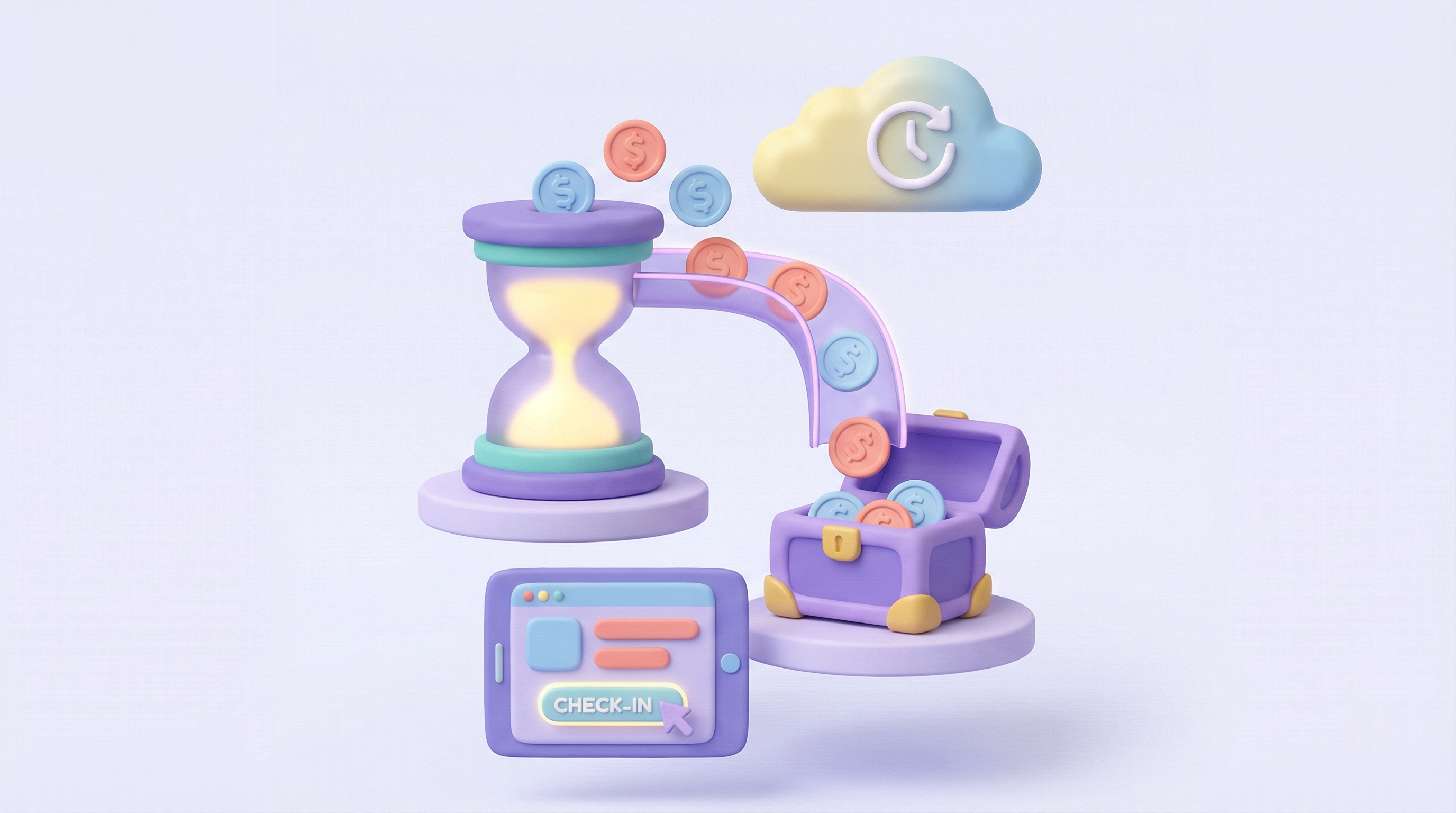
You cannot sell what you do not have. The system must know if the unit is clean before offering access. SuiteKeeper auto-generates cleaning tasks based on checkout data. When a cleaner marks a unit as "Ready" at 1:30 PM for a 4:00 PM check-in, the system identifies a monetization opportunity.
2. The Digital Upsell Storefront
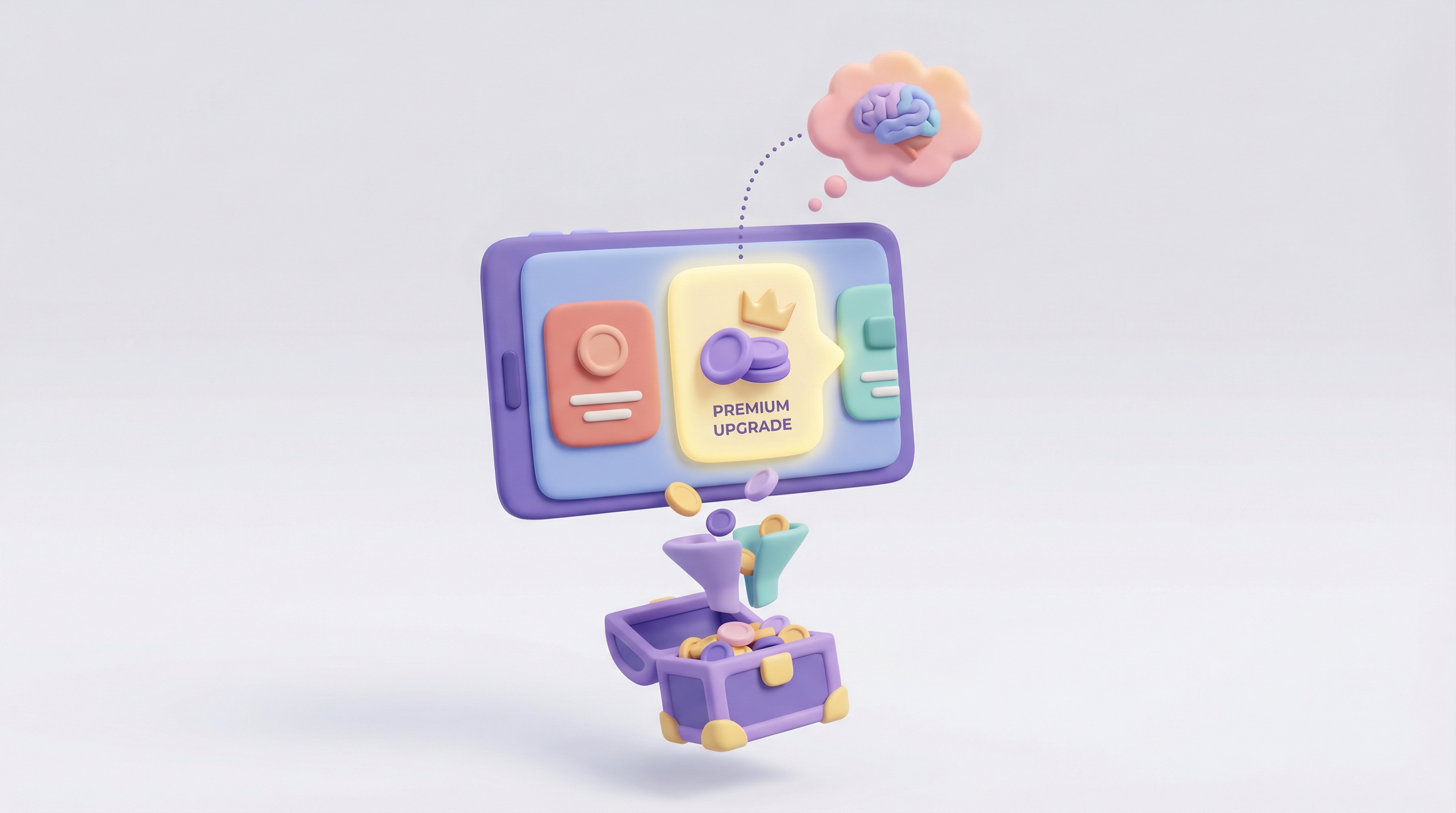
Instead of a text message exchange, the guest receives a link to their SuitePortal. This creates a psychological shift: early access is a product to be purchased, not a favor to be asked. Recent data shows that 78% of travelers in 2026 prefer self-service upgrades over negotiating with a host, citing speed and transparency as key drivers.
3. Instant Access Provisioning
Once payment is captured, the system must deliver the product immediately. SuiteConnect instantly updates the smart lock credentials to be valid from the new check-in time. If the guest pays to enter at 12:00 PM, their code works at 12:00 PM, without you sending a single manual message.
Manual Coordination vs. Automated Revenue
Comparing the traditional approach to the automated protocol highlights the efficiency gains:
- Availability check: Texting the cleaner → Real-time status sync via SuiteKeeper
- Guest communication: 5+ back-and-forth messages → One-click purchase in SuitePortal
- Payment collection: Awkward Venmo requests or waived fees → Instant credit card charge
- Access control: Manually changing lock settings → SuiteConnect auto-syncs new validity window
- Revenue result: $0 and high stress → $50+ per stay and zero effort
Protecting the Asset
Monetization cannot come at the expense of security. If you allow early access manually, you often lose track of who is in the property and when. By integrating SuiteVerify into the check-in flow, you ensure that even guests paying for early access have completed ID verification and security deposits before their code becomes active. This closes the security loop that manual overrides often leave open.
Ready to Automate Your Operations?
See how SuiteOp handles early check-in monetization automatically. Book a demo to see it in action.